No Hustle, No Brand Deal, Just an Unhinged Amount of Knowledge About Weird Junk

Somewhere in America right now, someone is filming themselves for the forty-seventh consecutive week explaining the production history of a failed fast food promotional toy line from 1991. They are not doing this because a consultant told them it was a growth opportunity. They are not doing this as part of a monetization strategy they read about in a newsletter. They are doing this because they cannot stop, and also because somewhere between eight thousand and four hundred thousand people are watching, and those people are absolutely losing their minds with joy.
This is the grift-free path to internet fame, and it is genuinely the strangest and most wholesome thing happening online.
The Difference Between Passion and Performance
The internet has a content problem, and the content problem is this: most content is made by people who want to have made content, not by people who actually have something to say. The machinery of online fame — the posting schedules, the engagement optimization, the carefully calibrated personality delivery — produces a specific kind of creator who is very good at seeming like they care about things.
Audiences, it turns out, can smell the difference between seeming and being. Not immediately, and not always consciously, but over time the simulated enthusiasm curdles and the follows stop converting into actual attention.
The collectors who've built real followings documenting their weird stuff operate on a completely different frequency. The enthusiasm isn't calibrated because it can't be calibrated. When someone has spent fifteen years tracking down every regional variation of a discontinued snack brand's mascot merchandise, the excitement in their voice when they find a rare piece is not a content choice. It is a neurological event.
Viewers feel that. They come back for it.
The Forgotten Tech Guys
Take the loose community of creators documenting forgotten and failed consumer technology — the dead formats, the products that launched with enormous fanfare and disappeared within eighteen months, the proprietary systems that lost the format war and took everyone's libraries with them.
These are not tech journalists. Most of them don't have media backgrounds. What they have is a specific, almost medical-grade fixation on objects that the world decided not to keep. They know the production numbers. They know the regional distribution deals. They know why the thing failed and they have opinions about whether it deserved to.
The audiences for this content are not small. Videos about dead tech formats routinely pull hundreds of thousands of views from people who didn't even know they needed to understand why the Zip drive lost to the CD-RW until they were forty minutes deep into a video that started as background noise while they folded laundry.
The key ingredient is specificity. Broad enthusiasm is pleasant but forgettable. Specific, almost unreasonable depth of knowledge about a narrow thing is magnetic in a way that's hard to explain but impossible to miss.
Failed Product Lines as a Career
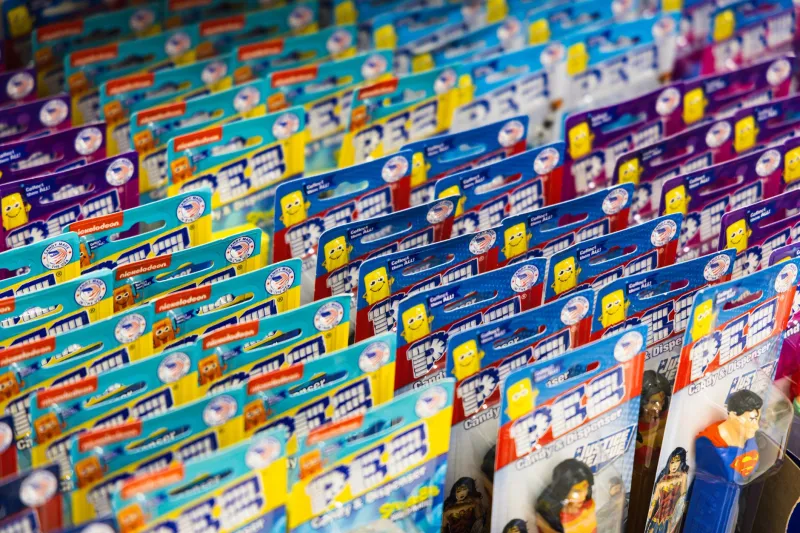
The collectors who document failed product lines — the toys that didn't sell, the food items that got pulled after one quarter, the licensed merchandise for movies that bombed — occupy a genuinely important cultural niche that nobody assigned them.
They are, functionally, archivists. Not the kind with institutional support and climate-controlled storage, but the kind with a spare bedroom full of objects and a camera and a subscriber base that treats every upload like a gift.
What makes these creators different from content mills running the same nostalgia template is the absence of a template. The good ones don't have a format because the format would constrain the information, and the information is the whole point. A video about a forgotten regional fast food chain's promotional campaign from 1988 doesn't need a three-act structure. It needs everything the creator knows about it, delivered with the barely-contained energy of someone who has been waiting for an excuse to share this specific information.
The bizarre thrift find genre operates on similar principles, with the added element of genuine discovery. The best creators in this space aren't performing surprise — they're actually surprised, because they actually didn't know they were going to find a promotional bank shaped like a corporate mascot that was discontinued after a trademark dispute in 1976. The surprise is real and the audience feels it.
What Separates the Real from the Fake
Here is the uncomfortable thing about authentic collector-creators: they are very hard to fake, and people keep trying anyway.
The tell is always the same. Authentic collectors get more specific over time, not less. Their knowledge compounds. They make connections between objects and histories that nobody without genuine deep expertise would make. They disagree with each other in public about arcane details because the arcane details actually matter to them.
Performative versions of the same content get less specific over time, because specificity requires actual knowledge and actual knowledge requires actual investment. The fake version stays at the surface, recycling the same aesthetics — the cluttered shelves, the thrift store lighting, the practiced casualness — without the substance underneath.
Audiences who've been watching the real thing for a while develop a very good detector for the fake version. The comments sections on authentic collector content are full of people who know things, because the content attracts people who know things. The comments sections on the fake version are full of people saying "this is so cool!" because that's all the content is giving them permission to contribute.
Why This Matters Beyond the Algorithm
There's a version of this story that's purely about content strategy — about how authenticity is a competitive advantage in a saturated creator economy. That version is true, but it's the least interesting true thing about what's happening here.
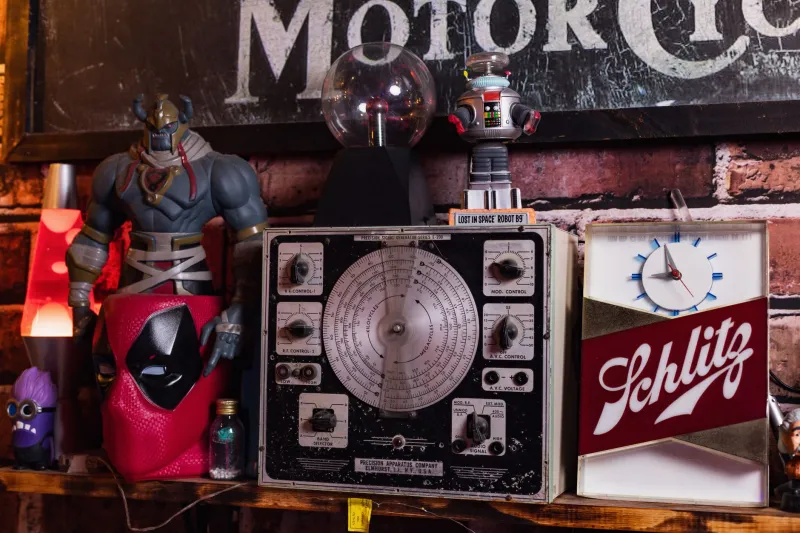
The more interesting true thing is that these creators are preserving something. The failed product lines, the forgotten tech, the bizarre thrift finds — without the obsessives documenting them, this stuff disappears. Not immediately, but eventually. Objects get thrown away. Memories get misattributed. The specific texture of a specific moment in American commercial culture gets smoothed out and lost.
The collector-creators who've built followings by refusing to be normal about their hobbies are, whether they think of themselves this way or not, doing a kind of preservation work that no institution was going to do. They found the stuff in a ditch, or at an estate sale, or in a thrift store bin, and they decided it mattered, and then they convinced a surprisingly large number of other people that it mattered too.
That's not a hustle. That's a calling. It just happens to pay in subscribers.