Basement Curators: The Obsessive Collectors Who Accidentally Became America's Most Important Archivists
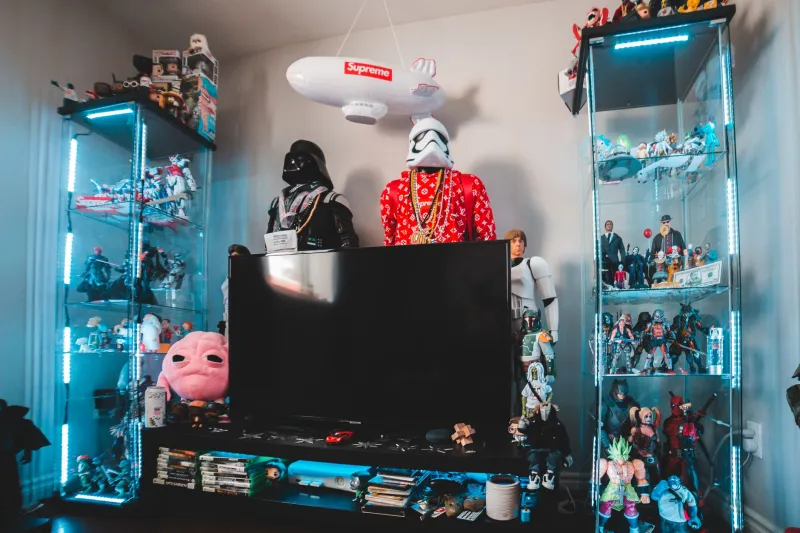
There is a man in Akron, Ohio who owns every single piece of licensed merchandise ever produced for a mid-tier 1980s Saturday morning cartoon that most people have completely forgotten existed. He has the lunchboxes. He has the iron-on transfers. He has a promotional foam cup from a Burger King regional tie-in that ran for exactly three weeks in 1986. He did not set out to become the world's foremost authority on this cartoon. He just never stopped buying stuff.
He is also, as it turns out, a legitimate cultural institution.
The Accidental Museum Curator
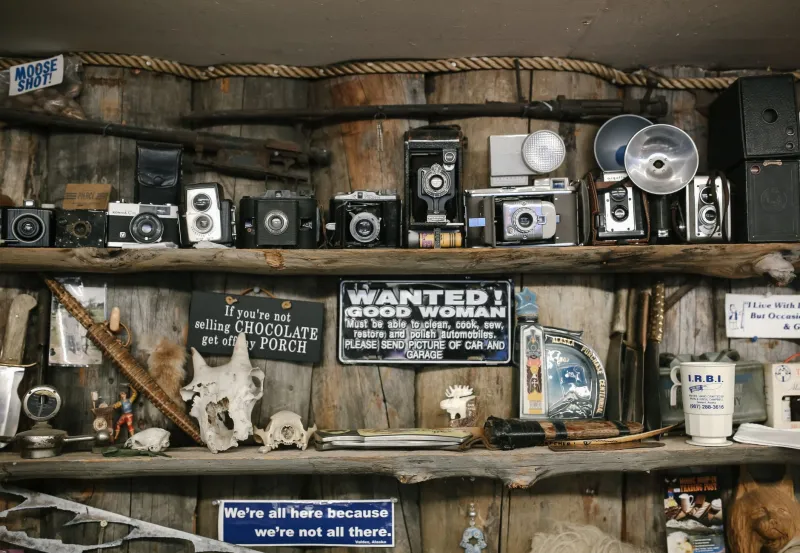
For decades, obsessive collectors existed in a strange social purgatory. Too serious to be casual fans, too chaotic to be taken seriously by academics, they were the people at flea markets at 6 a.m. with flashlights and spreadsheets. They were the ones turning down Thanksgiving dinner because something had just listed on eBay. Their families worried. Their coworkers did not understand. Their basements became load-bearing walls of cardboard boxes.
And then something shifted.
When streaming platforms started licensing old IP, when nostalgia became the dominant currency of American entertainment, when studios suddenly needed to know exactly what a 1993 video game console bundle looked like for a prestige documentary — they didn't call the Smithsonian. They called the guy in Akron. They called the woman in Tucson with 4,000 square feet of VHS horror memorabilia. They called the retired postal worker in suburban New Jersey who has been cataloging forgotten arcade game flyers since 1997.
These people became, without intending to, the gatekeepers of entertainment history.
Why Weird Things Get Abandoned (And Why That Matters)
Here's the uncomfortable truth about cultural preservation: institutions only save what they think matters at the time. Libraries archive bestsellers. Museums acquire fine art. Studios keep the prints that made money. Everything else — the B-movie lobby cards, the regional fast food tie-in toys, the promotional cassette tapes that came shrink-wrapped to the covers of gaming magazines — gets thrown away.
Collectors don't throw things away.
That's the whole point. The obsessive collector operates on the principle that everything is worth saving because you genuinely cannot know what future historians will care about. And history keeps proving them right. The vinyl record was garbage. The comic book was disposable. The video game cartridge was a toy. All of them are now either valuable artifacts or the subject of serious academic study, and the only reason we have surviving examples is because some weirdo decided they were worth keeping.
The psychology here is fascinating and slightly alarming. Most serious collectors will tell you the same thing when you ask them why they started: they were afraid something would disappear. Not afraid in a rational, calculated way. Afraid in the way a child is afraid of the dark — instinctively, physically, in a way that bypasses logic entirely. They saw something being discarded and felt a genuine, visceral panic. So they grabbed it. And then they grabbed the next thing. And then they built a climate-controlled storage unit.
The Economics of Loving Garbage
Let's talk money, because this is where the story gets genuinely strange.
A sealed copy of a forgotten Nintendo game that retailed for $29.99 in 1991 recently sold at auction for over $100,000. A collection of original Star Wars action figure prototypes — the kind of thing a Kenner employee might have brought home in a box in 1978, the kind of thing that sat in an attic for forty years — sold for enough money to retire on. The sealed VHS copy of a direct-to-video horror movie from 1987 that went for $7 at a garage sale in 2019 resold for $13,500 in 2023.
None of this makes rational sense. All of it makes perfect sense.
What collectors understood before the market did is that scarcity is manufactured by indifference, not by rarity. Plenty of things are rare because they were produced in small quantities. But the really valuable stuff is rare because everyone threw it away. The survival rate on promotional merchandise, regional tie-in toys, and limited-release media is astonishingly low. Most of it is gone. The pieces that remain exist almost entirely because individual weirdos decided, against all social pressure and available storage space, to keep them.
Museums Are Coming Around (Slowly, Awkwardly)
The institutional world has started to notice. The Library of Congress has been quietly expanding its video game preservation program for years. The Strong National Museum of Play in Rochester, New York — which sounds like the most earnest place on earth — has become a legitimate academic research destination. Regional museums across the country have started reaching out to private collectors for loans, donations, and consultations.
The dynamic is wonderfully uncomfortable. These are institutions that spent decades treating pop culture collecting as a slightly embarrassing hobby, now calling people whose storage units are worth more than the museum's annual acquisition budget. The collectors, to their credit, are mostly gracious about it. They wanted this stuff to be taken seriously. They've been saying it was important for thirty years. They're not above a quiet "I told you so."
Some collectors have gone further, building their own spaces. The Museum of Pop Culture in Seattle. The American Museum of Magic in Marshall, Michigan — a town of 7,000 people that somehow contains one of the most significant collections of magic memorabilia on the planet. Independent horror museums, pinball museums, video game museums, toy museums. Built by obsessives, for obsessives, and increasingly visited by everyone else.
The Ugly Monkey Thesis
Here's what all of this adds up to: the things that got dismissed, discarded, and laughed at are the things that survived. The collector who got made fun of for keeping his action figures in the original packaging is now the person with an irreplaceable artifact. The woman who bought every piece of merchandise from a cancelled TV show that aired for six episodes is now the only person on earth who can tell you what the promotional strategy looked like.
Bad taste, it turns out, is just good taste that hasn't been validated yet. The collector's instinct — to grab the weird thing, the forgotten thing, the thing everyone else is throwing away — is the same instinct that built every museum that has ever existed. It just usually wears a nicer jacket when it does it.
The basements are full. The shelves are overflowing. The spreadsheets are seventeen tabs deep. And somewhere in Akron, a man is carefully removing a 1986 Burger King foam cup from its archival sleeve to photograph it for a documentary producer who called last Tuesday.
History is weird. The people who save it are weirder. That's exactly why it gets saved.