Garbage Gold: The Obsessive Collectors Who Worship the Media Our Parents Tried to Bury
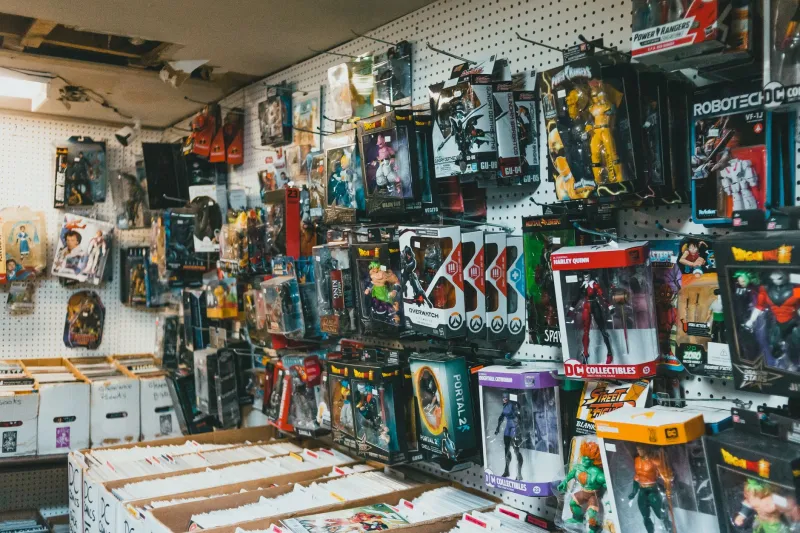
In a storage unit in Columbus, Ohio, there are seventeen VHS tapes of Beethoven sequels. In a studio apartment in Portland, someone has built a dedicated shelf for merchandise from Foodfight! — the animated film widely regarded as one of the most technically catastrophic movies ever produced. In a dorm room in Austin, a nineteen-year-old is paying forty dollars for a factory-sealed copy of the Highlander 2 novelization.
None of these people think they're being funny.
That's the part that changes everything.
The Difference Between Irony and Devotion
For a long time, the cultural script around 'bad' media was pretty well established. You watched the terrible movie with friends, you laughed at it, you quoted the worst lines ironically, and you moved on. The badness was the joke. The enjoyment was at the thing's expense.
What's happening now is categorically different, and if you spend five minutes in the corners of the internet where these collectors live — specific subreddits, Discord servers, YouTube channels dedicated to forgotten franchises — you'll feel the difference immediately. These aren't people dunking on the media they collect. They're fans. Genuine, encyclopedic, emotionally invested fans of things that the mainstream entertainment industry considers either embarrassing footnotes or cautionary tales.
The kid with the Foodfight! shelf doesn't think the movie is good in a so-bad-it's-good way. He thinks it's genuinely fascinating — a cultural artifact that tells you more about the early 2000s CGI boom, the hubris of mid-tier Hollywood, and the strange economics of direct-to-retail licensing than almost anything else from that era. He's not laughing. He's studying.
Why the Panned Stuff Hits Different
Here's a psychological reality that the entertainment industry has never quite figured out how to monetize: the stuff that fails spectacularly tends to be more revealing than the stuff that succeeds.
A Marvel movie that earns a billion dollars has been focus-grouped and test-screened and algorithmically optimized until every rough edge is sanded off. It's designed to be universally palatable, which means it's designed to be nobody's everything. It won't offend anyone, and it also won't surprise anyone, and it will leave approximately zero cultural fingerprints that feel accidental or human.
A direct-to-DVD sequel to a movie that barely warranted a first installment? That thing is full of fingerprints. You can see exactly where the budget ran out. You can see the creative decisions that made sense to exactly three people in a conference room in Burbank. You can feel the specific desperation of a property being milked past its natural lifespan. It's weird. It's particular. It's real in a way that polished entertainment rarely is.
For collectors who grew up marinating in an internet culture obsessed with authenticity, that realness is catnip.
The 90s and 2000s Were a Goldmine of Glorious Failure
The timing of this collecting trend is not accidental. The young people driving it grew up in the 90s and early 2000s, which were, by any objective measure, the golden age of entertainment nobody needed.
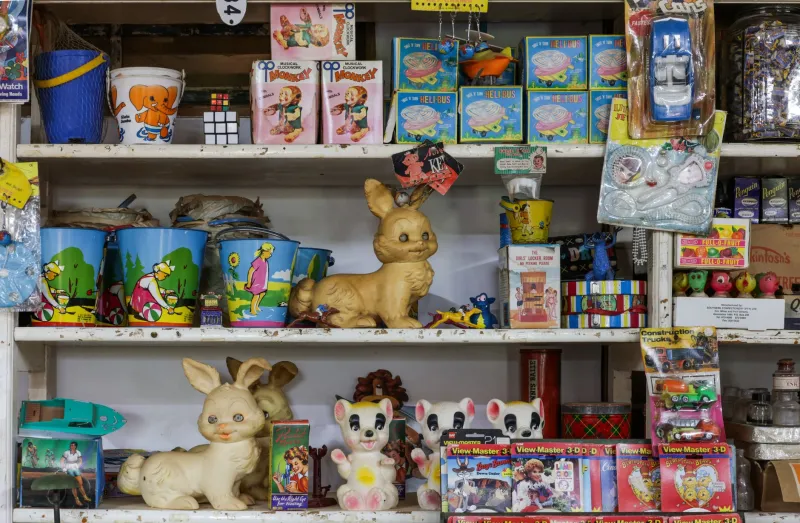
This was the era that gave us: animated sequels to Disney films that went straight to VHS with completely different voice casts. Fast food tie-in toys for movies that opened and closed in the same weekend. Novelizations of video games that were themselves adaptations of movies. Breakfast cereals branded with characters from television shows that lasted four episodes. Action figures for villains from films that bombed so hard the studios pretended they never happened.
It was a magnificent, chaotic, commercially desperate landscape, and the children who absorbed it have grown up to regard it with the same scholarly affection that previous generations reserved for baseball cards or vintage vinyl. They're not nostalgic for a time when things were good. They're nostalgic for a time when things were weird, and weird in ways that the current, algorithm-flattened entertainment ecosystem simply cannot replicate.
Collecting as Cultural Archaeology
There's a serious argument — and collectors in this community make it constantly, at length, with impressive citation — that preserving 'bad' media is one of the more important things a person can do for cultural memory.
The entertainment industry is not sentimental about its failures. Films get pulled from streaming platforms. Physical media gets discontinued. Websites hosting fan communities get shut down. The stuff that didn't perform commercially is always the first to disappear, which means it's always the stuff that tells the most unfiltered story about what a particular cultural moment actually looked like from the inside.
When you own a sealed copy of a tie-in toy from a franchise that cratered, you own something that the people who made it would prefer you forgot. That's not nothing. That's actually kind of radical.
What This Means for Merch Culture
At Ugly Monkey Shop, we've watched this collecting phenomenon with the specific joy of people who have always believed that the weird stuff is the good stuff. The market implications are real: merchandise from properties that nobody would have touched five years ago is now moving. People are actively seeking out the novelty items, the gag gifts, the pop culture ephemera that got shuffled to clearance bins and forgotten.
The collectors driving this trend aren't looking for prestige. They're not trying to build a portfolio. They're building personal mythologies — collections that say something specific about who they are and what they find interesting, rather than collections that signal wealth or cultural sophistication.
In a world where every purchase is tracked, every preference is profiled, and every algorithm is trying to predict what you want before you know you want it, choosing to obsessively collect Kazaam merchandise is a genuinely subversive act. It's a declaration that your taste belongs to you, that it was formed by specific, irreproducible experiences, and that no recommendation engine is ever going to understand it.
The Ugly Truth About Authenticity
The collectors hunting down bad media aren't looking for irony. They're looking for the same thing everyone's looking for: something that feels real. Something that wasn't engineered specifically to appeal to them. Something that exists in the world because a bunch of people made a bunch of questionable decisions and the result was this strange, specific, gloriously imperfect object.
That's not garbage. That's history.
And if it happens to come in a VHS clamshell case with a typo on the back cover? Even better.