Crocs, Chaos, and Couture: How Dressing Like a Disaster Became the Ultimate Power Move
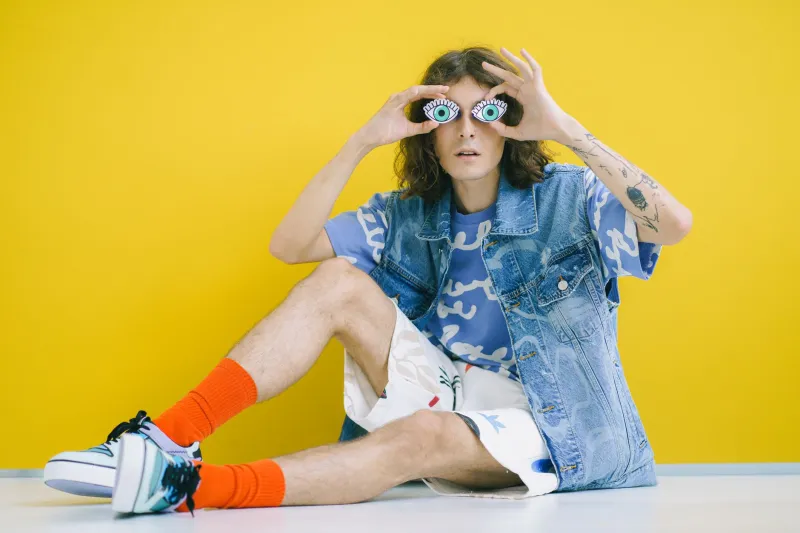
Forget everything your mom taught you about dressing to impress. The hottest trend in American fashion right now is looking like you got dressed in the dark — on purpose. Welcome to the glorious, unapologetic era of ugly chic, where the worse you look, the harder you flex.
We here at Ugly Monkey Shop feel a deep, spiritual kinship with this movement. We've been selling weird stuff to wonderful weirdos long enough to know that the people who truly don't care what you think of their foam clogs are, statistically speaking, the most interesting humans in any room.
The Ugly Origin Story
It didn't start with a single runway moment. The seeds of intentional ugliness were planted years ago in the fertile soil of internet culture, where irony is currency and sincerity is suspicious. Think back to the resurgence of fanny packs around 2017 — an accessory so thoroughly mocked throughout the '90s that wearing one became a statement of almost aggressive self-confidence. Then came the bucket hat comeback. Then chunky "dad sneakers" from brands like Balenciaga and New Balance, retailing for anywhere between $120 and a genuinely offensive $850, all engineered to look like your uncle's footwear from a 2003 cookout.
And then, of course, there were the Crocs.
Crocs — those perforated foam clogs that look like they were designed by a committee of people who had never seen a human foot — went from being the punchline of every fashion joke to appearing on the feet of Post Malone, at Paris Fashion Week, and in high-end collaborations with Balenciaga that cost more than most Americans' monthly rent. The world didn't end. In fact, it kind of thrived.
Gen Z Didn't Invent Ugly, But They Perfected It
Here's the thing about younger consumers that older generations keep misreading: Gen Z isn't being ironic for the sake of it. Well, okay, sometimes they absolutely are. But the deeper engine driving the ugly fashion movement is something more radical — a wholesale rejection of the exhausting, expensive, often impossible standards of conventional attractiveness.
For decades, fashion told people — especially women — that looking "put together" was a moral obligation. Groomed, coordinated, tasteful. The ugly aesthetic movement is essentially a very loud, rubber-soled middle finger to all of that.
"There's real power in wearing something that makes people uncomfortable," says Dani Torres, a 24-year-old thrift-store fashion influencer based in Chicago who has built a following of over 200,000 people by styling the most aggressively mismatched outfits she can assemble for under $15. "When I walk into a room wearing a neon windbreaker, camo cargo pants, and platform Crocs, I'm not asking for your approval. I already decided I don't need it."
That energy — that complete divestment from external validation — is the actual product being sold. The ugly clothes are just the packaging.
The Designers Who Said 'Yes, And'
High fashion has always had a complicated relationship with ugliness. Designers like Rei Kawakubo of Comme des Garçons have been deconstructing beauty standards since the 1980s, sending lumpy, asymmetrical, deliberately "broken" garments down the runway to scandalized applause. But what's different now is the democratization of the aesthetic.
Independent designers on platforms like Depop and ASOS Marketplace are cranking out hand-sewn patchwork jeans, crocheted vests that look like your grandmother's couch, and tie-dye sets in colorways that can only be described as "gas station at sunset." And they're selling out.
Marcus Webb, a self-taught designer from Atlanta who operates under the brand name Goblin Mode Garments (yes, really), has made a full-time living selling what he calls "functional eyesores."
"I make clothes that make people laugh first and think second," Webb explains. "But by the time they're laughing, they're already imagining themselves wearing it. That's the hook. Ugly is approachable. Pretty can be intimidating. Nobody feels insecure standing next to a giant frog-print corduroy blazer."
He's not wrong.
The Anti-Beauty Movement Has a Point (Several, Actually)
Beyond the laughs and the Jibbitz charms, there's a legitimate cultural critique embedded in the ugly fashion movement. Beauty standards have historically been weaponized — used to police bodies, enforce conformity, and sell insecurity back to people at a markup. The anti-beauty movement, at its most coherent, is arguing that aesthetics should serve the person wearing the clothes, not the other way around.
This shows up in the fat liberation community's embrace of maximalist, unapologetically loud fashion. It shows up in disability communities reclaiming adaptive clothing as a style statement rather than a medical necessity. It shows up every time someone posts a thrift-store fit on TikTok that breaks every conventional rule and gets half a million likes.
Ugly, it turns out, is a pretty big tent.
So What Does This Mean for Your Wardrobe?
Here at Ugly Monkey Shop, we've always believed that the best outfit is the one that makes you feel like yourself — even if, especially if, "yourself" is someone who owns a sequined vest covered in cartoon monkeys (hypothetically speaking, of course).
The rise of intentional ugliness isn't really about being ugly at all. It's about owning your choices so completely that the concept of "flattering" becomes irrelevant. It's about dressing for the story you want to tell, not the approval you want to earn.
And honestly? That's the most stylish thing we've ever heard.
Wear the weird thing. Buy the foam clogs. Rock the fanny pack with zero irony and maximum confidence. Life is short, fashion is cyclical, and the people who told you that outfit looked ridiculous are currently paying $400 for sneakers that look like orthopedic inserts.
The ugly revolution is here. We've been waiting for it.