No Wink Required: The Beautiful Death of Ironic Appreciation

There used to be a social contract. You could love The Room. You could own every season of Jersey Shore on DVD. You could have a Nickelback poster in your dorm room — but only if you also had a second poster nearby that made it abundantly clear you were joking. The ironic buffer was everything. It was armor. It was plausible deniability dressed up as aesthetic sophistication.
That contract has been shredded, set on fire, and the ashes have been used to bedazzle a Shrek throw pillow that someone is selling on Etsy for $47. And honestly? We're all better for it.
The Smirk That Wore Out Its Welcome
Ironic appreciation had a good run. The 1990s and early 2000s turned detached coolness into an art form. You could enjoy anything as long as you maintained the correct posture of mild contempt toward it. Liking something unironically — actually, genuinely, in your whole chest — was considered embarrassing. It meant you lacked the cultural sophistication to recognize that the thing you loved was, objectively, kind of terrible.
The problem is that this created an exhausting performance. Every piece of 'guilty pleasure' content came with invisible asterisks. You weren't really into it. You were observing it. You were an anthropologist of your own entertainment, always one step removed from the experience of just... enjoying something.
Millennials perfected this dance. Gen X invented it. And then Gen Z looked at the whole choreography, said 'this is unnecessarily complicated,' and walked off the floor entirely.
Sincerity Is the New Subversion
Here's the cultural plot twist nobody saw coming: in an era of infinite content, infinite choices, and infinite ways to signal your taste to an online audience, the most radical thing you can do is mean it.
When everyone around you is performing ironic distance, genuine enthusiasm becomes the actual countercultural move. Saying 'I love Sharknado and I'm not making a bit out of this' hits different than winking your way through a 'so bad it's good' listicle. One is a performance. The other is a confession. And confessions are interesting.
The internet, for all its chaos, has been weirdly effective at creating spaces where sincere fandom is celebrated rather than mocked. TikTok users will spend seven minutes in dead earnest explaining why the 2003 video game Dark Cloud 2 has the most emotionally resonant crafting system in gaming history. Reddit threads dissect the cinematography of Birdemic with the same energy film school students bring to Kubrick. These aren't jokes. These are people who genuinely, completely, without protective irony, love these things.
Trash Has Always Been Treasure
Let's be honest about something that the irony industrial complex never wanted to admit: the line between 'good' and 'bad' taste was always a class project. Deciding that certain entertainment was beneath sincere appreciation was a way of sorting people — who got the joke, who didn't, who was sophisticated enough to enjoy something while also looking down on it.
Stripping away the irony strips away that hierarchy. If you love Manos: The Hands of Fate with your whole heart, no qualifications attached, you're not performing sophistication. You're just a person who found something that brings them joy and decided that was enough justification.
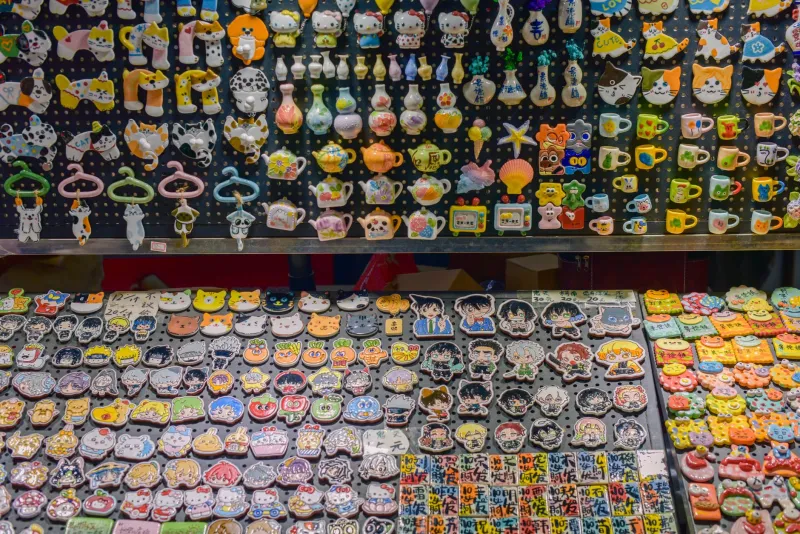
At Ugly Monkey Shop, we've built our entire existence on this premise. The stuff we sell — the weird, the kitschy, the aggressively niche — isn't ironic merchandise for people who think they're above it. It's sincere merchandise for people who are exactly at it. There's a difference, and it matters.
The Collapse of the Guilty Pleasure
The phrase 'guilty pleasure' might be on its last legs, and its decline is worth celebrating. Guilt implies you should feel bad. Pleasure implies you don't. The combination was always a little neurotic — a way of preemptively apologizing for enjoying yourself before anyone could criticize you for it.
But the cultural math has changed. When millions of people are openly, enthusiastically, completely sincerely watching The Bachelor or collecting Funko Pops of characters from shows that ended in 2009 or wearing T-shirts featuring breakfast cereal mascots from their childhood — the guilt starts to seem like the weird part. Why are you apologizing for being entertained? Who exactly are you apologizing to?
The answer, increasingly, is nobody. The audience for that performance of shame has left the building.
What Good Taste Actually Means Now
Here's a working definition of good taste for the current moment: good taste is knowing what you actually like and having the confidence to like it without a permission slip from some imaginary cultural authority.
That's it. That's the whole thing.
Good taste used to mean alignment with a canon — certain films, certain music, certain books that demonstrated your cultural literacy. It was a credential. Now, in a world where every piece of media ever created is essentially one search away, curation has become personal rather than hierarchical. Your taste is good if it's genuinely yours.
Someone who has watched Hackers (1995) forty-seven times and can deliver an unprompted lecture on its surprisingly accurate portrayal of 90s hacker culture has better taste, in the meaningful sense, than someone who has seen every Oscar Best Picture winner and has opinions about all of them that they read somewhere else first.
Loving Bad Things Is a Form of Radical Honesty
There's something almost confessional about sincere appreciation for low-brow culture. It requires you to admit that your enjoyment doesn't need external validation. That the thing doesn't have to be critically acclaimed or culturally significant or aesthetically sophisticated to deserve your genuine enthusiasm.
That's a harder position to hold than irony. Irony is a shield. Sincerity is vulnerability. When you say 'I genuinely love this thing that most people consider trash,' you're not hiding behind a wink. You're just standing there, fully committed, holding your Shrek throw pillow with both hands and daring anyone to make it weird.
The beautiful truth is that fewer and fewer people are taking that dare. The wink-wink-nudge-nudge era is fading, and what's replacing it is something more interesting: a culture of people who love what they love, loudly and without apology, and who have collectively decided that's more than enough.