Paying Top Dollar for Someone Else's Worst Choices Is Somehow the Best Thing Happening in America
Somewhere in America right now, a person with a graduate degree and a very serious LinkedIn profile is refreshing an eBay listing for a ceramic rooster wearing a tiny sombrero. They have a maximum bid set. They are nervous. They want that rooster more than they've wanted almost anything this week, and they cannot fully explain why, but they will absolutely pay $34 plus shipping to find out.
Welcome to the secondary market for bad decisions — the thriving, chaotic, deeply American economy of reselling items that previous generations treated like evidence of a crime.
The Thrift Store Became a Stock Exchange and Nobody Warned Us
For decades, the resale world operated on a simple premise: things lost value when they got weird, old, or ugly. A sensible lamp appreciated. A lamp shaped like a pelican wearing a sailor hat did not. The Goodwill bin was where taste went to die quietly, and everyone agreed not to make eye contact with it.
Then something shifted. Slowly at first, then all at once, the cursed stuff started moving. Not to landfills — to living rooms. Deliberately. On purpose. At prices that would make a 1987 garage sale organizer weep with confusion.
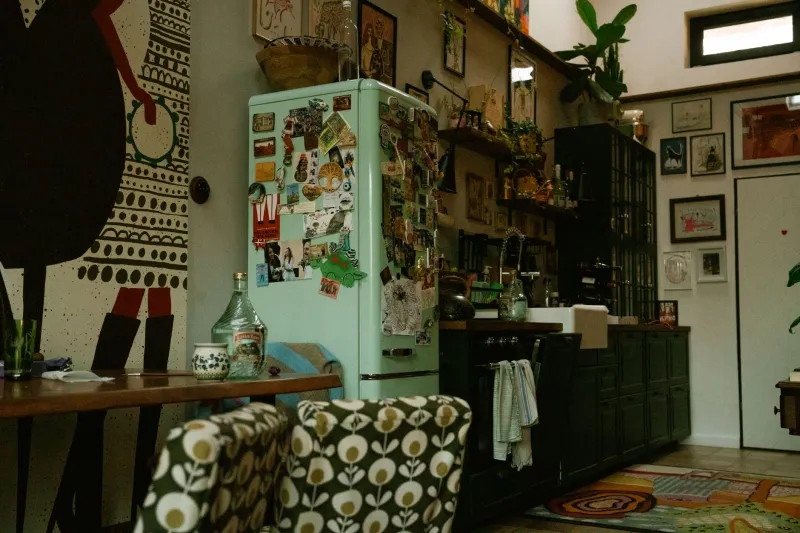
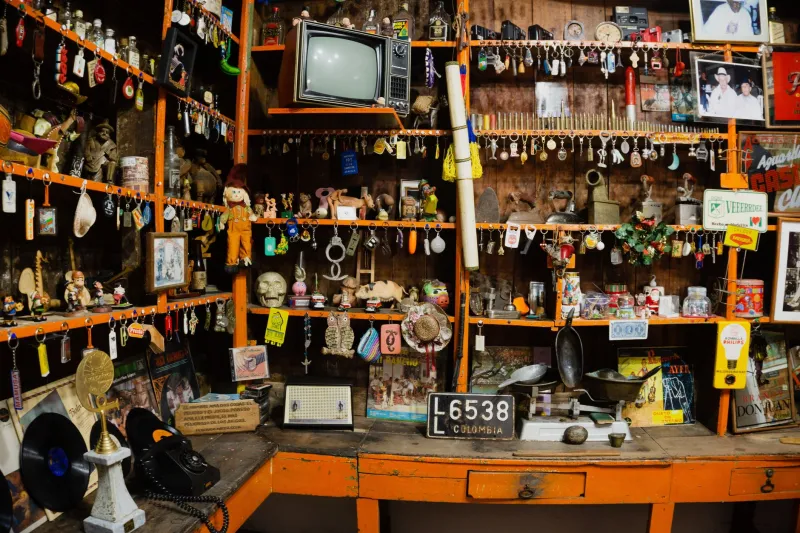
Platforms like Depop, Facebook Marketplace, eBay, and Etsy turned the resale market into something closer to a curated gallery of chaos, and the curators — largely millennials and Gen Z buyers with impeccable irony detectors — started paying premiums for exactly the items that used to get donated in shame. Novelty clocks shaped like cats. Airbrushed denim jackets from regional fairs. Decorative plates commemorating events that nobody remembers. Porcelain figurines of anthropomorphized vegetables playing sports.
The uglier, the better. The more inexplicable, the higher the perceived value.
The Psychology of the Cursed Purchase
Here's the thing about buying something genuinely, aggressively bad: it requires confidence. You can't accidentally end up with a wall tapestry depicting wolves howling at a moon that is also somehow a Pepsi logo. That takes intention. That takes commitment.
Psychologists who study consumer behavior have spent a lot of time trying to explain why people deliberately seek out low-status objects and then display them with pride, and the short version is that it's a power move disguised as a joke. When you choose the ugly thing — really choose it, loudly and publicly — you're signaling that you are immune to the social pressures that make most people afraid to be ridiculous. You're not a victim of bad taste. You are its architect.
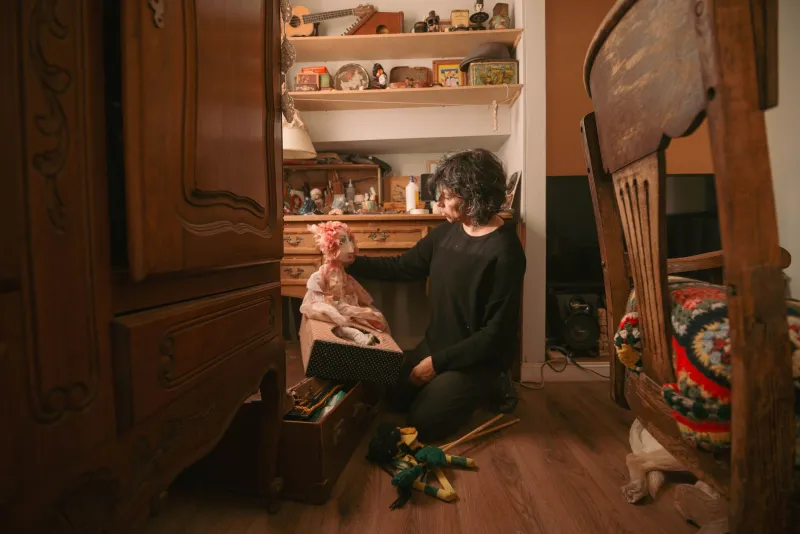
There's also a strong authenticity argument happening here. In an era where every apartment looks like it was designed by the same algorithm, owning something genuinely strange and specific feels like proof that you are an actual human with actual experiences. The ceramic rooster in the sombrero has a story. It came from somewhere. Someone made it, someone bought it originally with completely sincere intentions, and now you have it, and that entire chain of human events is sitting on your kitchen counter being absolutely unhinged.
That's not clutter. That's lore.
What Counts as Cursed (And Who Gets to Decide)
The secondary market for deliberate absurdity has developed its own taxonomy, and it's worth understanding before you accidentally pay $60 for something that isn't even ironically good — just bad in a boring way.
Tier One: Sincere Weirdness. This is the holy grail. An item that was made with complete seriousness by someone who genuinely thought it was a good idea. Regional collectibles, corporate promotional merchandise from failed campaigns, novelty items tied to trends that evaporated overnight. These carry the highest cultural value because they're artifacts of a specific moment in American optimism that no longer exists.
Tier Two: Intentional Camp. Items that knew they were ridiculous and leaned in. Certain decades of pop culture merchandise, limited-edition fast food collectibles, movie tie-in products for films that bombed spectacularly. These are beloved because they're in on the joke, even if the joke took thirty years to land.
Tier Three: Accidentally Prophetic. The items that were made straight but aged into surrealism. A motivational poster from 1994 that now reads like an absurdist threat. A children's toy that, viewed from the present, raises significant questions. These require the most interpretive work but yield the highest conversational dividends.
The Economics Are Genuinely Unhinged
Let's talk numbers, because the numbers are doing something strange.
Vintage fast food promotional glasses — the kind that came with a large Coke in 1977 and were immediately forgotten in a cabinet — regularly sell for $15 to $80 each depending on the character depicted and the condition of the paint. Novelty telephone covers from the early 2000s, once considered the visual equivalent of a personality disorder, now fetch prices that would have seemed insane to the people who originally paid $8 for them at Spencer's Gifts.
The most sought-after items in the cursed collectibles market share a few characteristics: they're specific enough to feel personal, strange enough to generate conversation, and old enough to carry the comfortable distance of nostalgia. They're also, crucially, finite. Nobody is making new ceramic roosters in sombreros with the same energy as the original. That particular vein of sincere American weirdness has largely been mined out, which means the surviving specimens appreciate like art.
The Resale King's Actual Problem
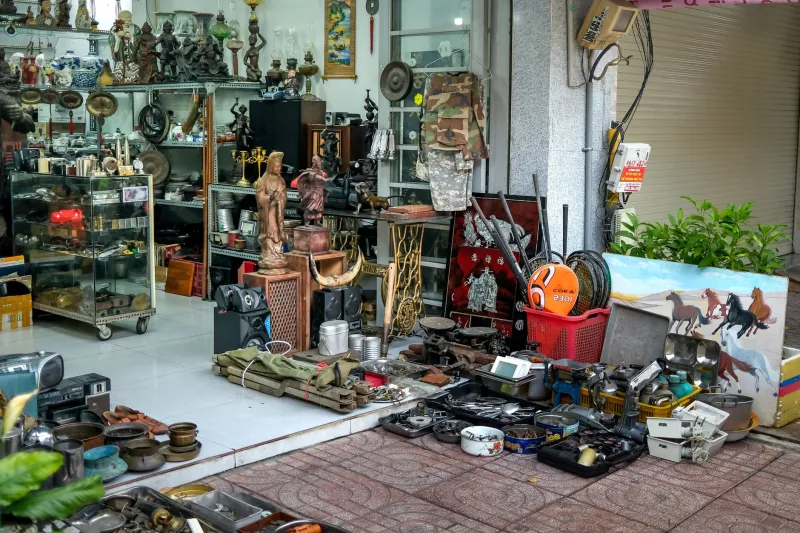
Here's the dilemma that nobody talks about when they romanticize this market: the more popular deliberate ugliness becomes, the harder it is to find the genuinely, unselfconsciously ugly stuff. When everyone's looking for the cursed rooster, the cursed rooster gets priced accordingly. The thrift store that used to be a reliable source of inexplicable home décor is now staffed by people who know what Depop is.
The secondary market for bad decisions is, paradoxically, becoming a victim of its own good taste. Buyers who got in early, who were picking up airbrushed wolf shirts for $3 in 2015, are now watching those same shirts list for $45 and feeling the particular bitterness of the person who liked a band before they got popular.
The solution, if there is one, is to keep moving. The truly committed collectors of cursed Americana are always hunting the next category of intentional absurdity — the thing that hasn't been recognized yet, the item sitting in a bin somewhere that will, in five years, be the object everyone wishes they'd grabbed when they had the chance.
The Beautiful Stupidity of All of This
At the end of the day, the thriving economy around deliberately terrible objects is just people doing what people have always done: finding community in shared appreciation for something specific and strange, and building identity around the things they choose to love.
The fact that those things happen to be deeply, magnificently ugly is almost beside the point. Almost.
Somewhere, right now, a ceramic rooster in a sombrero is changing hands for more money than it has any right to command, and both the buyer and the seller understand something important: authenticity is whatever you're willing to pay for, and the weirdest stuff in the room is usually the most honest thing in it.
Bid accordingly.