Somebody Opened a Box and Now It's a Career: The Unboxing Economy Nobody Saw Coming
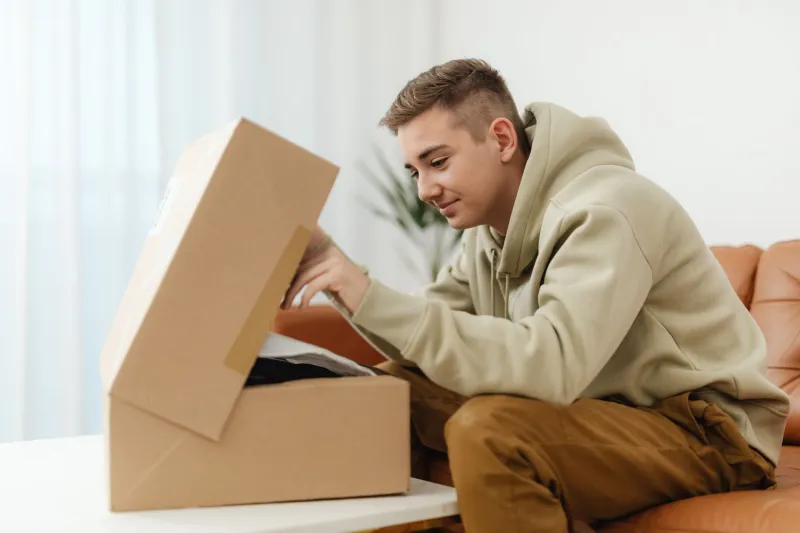
Let's just say the quiet part loud: at some point in the last fifteen years, tearing open a cardboard box became a spectator sport. Not metaphorically. Not in some abstract, cultural-commentary kind of way. Literally. Someone points a camera at a package, peels back the tape in real time, and millions of people watch it happen like it's the Super Bowl halftime show but with more Styrofoam peanuts.
Welcome to the unboxing industrial complex. Population: everyone, whether they admit it or not.
How We Got Here (Without Noticing We Were Going)
The first documented unboxing video — a Nokia E61 phone being removed from its packaging — went up on YouTube in 2006. It was not glamorous. There was no ring light. There was no carefully curated aesthetic. There was just a guy, a phone, and a camera that probably cost more than the phone. It got views anyway.
Something about that simple act — witnessing the moment between not having a thing and having a thing — apparently lives in a very specific, very exploitable corner of the human brain. Toy unboxing channels caught on next, with parents filming their kids losing their minds over Kinder Eggs and Hatchimals, and then suddenly the algorithm noticed, and then suddenly everyone noticed the algorithm noticing, and then suddenly Ryan's World existed and Ryan was worth tens of millions of dollars before he hit double digits in age.
The rest is history. Messy, shrink-wrapped, inexplicable history.
The Psychology of Watching Someone Else Get the Good Stuff
Here's the part where we're supposed to feel vaguely embarrassed about ourselves. Don't. The appeal of unboxing content is rooted in something legitimately interesting about how human brains process anticipation.
Psychologists have a term for it: vicarious consumption. When you watch someone else experience something pleasurable — especially something with a clear buildup and payoff — your brain fires in ways that partially mirror actually having the experience yourself. The reveal scratches an itch. The crinkle of packaging sounds like possibility. The slow lift of a lid is basically foreplay for your dopamine receptors.
There's also the research angle. A massive chunk of unboxing viewership is people doing pre-purchase due diligence. Before dropping three hundred dollars on a mechanical keyboard or a limited-edition sneaker or a collectible figure from a franchise they've loved since childhood, people want to see it in someone else's hands first. They want the scale, the texture, the realness that product photography simply cannot deliver.
Unboxing videos are, among other things, the most effective consumer reviews ever invented. They just happen to also be weirdly soothing to watch even when you have zero intention of buying anything.
The Rise of the Professional Unboxer (No, Really)
Here's a sentence that would have gotten you laughed out of a career counselor's office in 2005: I open boxes for a living and I'm doing fine, actually.
And yet. The top unboxing creators on YouTube pull in millions of subscribers and advertising revenue that would make a mid-level network executive cry into their kombucha. Channels dedicated entirely to unboxing blind bags, mystery boxes, collector sets, and subscription services have turned what was once a hobby into a full infrastructure. Editors. Lighting rigs. Sponsorship deals. Merchandise. Brand partnerships with the very companies whose products they're opening.
That last part is worth sitting with for a second. Brands now send products to unboxers specifically to be unboxed on camera, because they've figured out that watching someone else receive a product generates more purchase intent than almost any traditional ad format. The unboxer is simultaneously the reviewer, the influencer, the ad, and the entertainment. It's a content format that ate the entire marketing funnel and then asked for seconds.
Some creators have built empires around single product categories — sneakers, tech gadgets, trading cards, LEGO sets, Japanese candy. Trading card unboxing alone is a genre unto itself, with channels raking in views by cracking packs of Pokémon cards while their audiences collectively hold their breath waiting for the holographic pull that may or may not materialize. The gambling-adjacent thrill of it is not incidental. It is the entire point.
Mystery Boxes and the Theater of Not Knowing
If regular unboxing is compelling, mystery box unboxing is basically crack cocaine for the anticipation centers of the brain. The product category exists entirely to be filmed. You buy a box. You don't know what's in it. You open it on camera. Everyone finds out at the same time.
Retailers figured this out and started selling curated mystery boxes as a product line. Subscription boxes like Loot Crate built whole businesses on the monthly reveal model. Thrift stores started selling mystery bags. Liquidation pallets — actual freight pallets of returned merchandise sold by the pound — spawned their own unboxing subculture, with creators hauling in warehouse-sized quantities of random goods and spending hours cataloging what they found.
The mystery box is, at its core, a manufactured experience designed to be witnessed. Nobody is buying a liquidation pallet because it's the most efficient way to acquire household goods. They're buying it because the experience of not knowing is worth the price of admission, and sharing that experience online turns private consumption into public entertainment.
What This Says About Us (It's Not as Dark as You Think)
The easy take on unboxing culture is that it's a symptom of some late-capitalist sickness — that we've become so alienated from actual experience that we're outsourcing joy to strangers on the internet. That take is boring and also kind of wrong.
What unboxing culture actually reveals is that humans are profoundly communal about consumption. We've always wanted to show people what we got, to share the moment of getting it, to witness other people's reactions to things we love. Unboxing just industrialized that impulse and handed it a ring light.
There's also something genuinely democratic about it. A kid in rural Nebraska with a $200 camera can build an audience of a hundred thousand people who care deeply about whatever niche product category they've claimed as their own. The barrier to entry is basically a decent internet connection and something worth opening.
Is it a little weird that we built a multi-billion dollar entertainment category around cardboard boxes and the sound of tape being peeled? Absolutely. Is it weirder than most things humans have decided to care about collectively? Not even close.
The Box Is Not the Point
Here's the thing nobody tells you about unboxing culture: the box was never really the point. The point is the moment right before it opens. The point is the suspended second where anything could be inside, where the thing could be perfect or disappointing or exactly what you hoped or nothing like the pictures.
We built an economy around that moment because that moment is genuinely one of the better ones available to us. Pure, uncomplicated anticipation. No consequences yet. Just the possibility of something good.
If you've ever watched someone open a package on the internet and felt your pulse tick up a little waiting for the reveal, you already understand the whole thing better than any think piece can explain.
Now go watch someone open a mystery box. You know you want to.