Weird Harder, Lose Faster: The Cruel Irony of Performing Your Own Personality
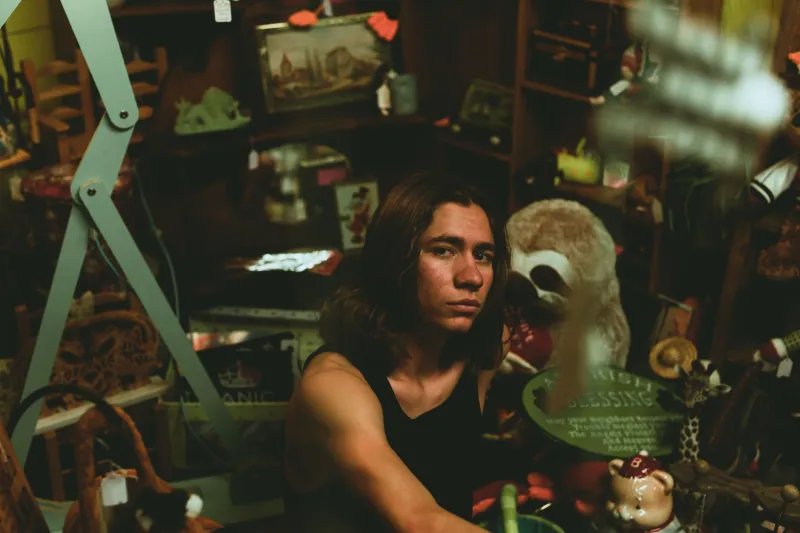
Here's a riddle for you: What's the fastest way to become the most forgettable person in the room? Try really, really hard to be unforgettable.
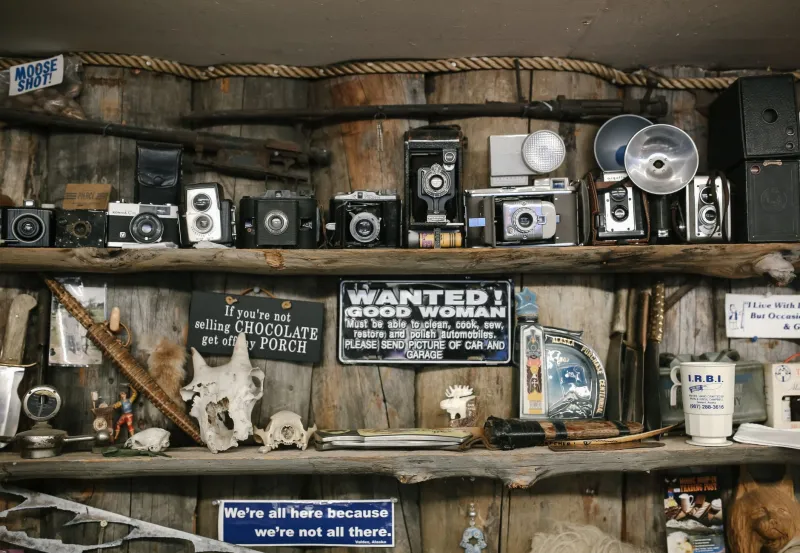
Welcome to the authenticity paradox — the cultural black hole where genuine weirdness goes to die, suffocated under a pile of vintage taxidermy props, intentionally mismatched socks, and TikTok captions that say things like "I'm just built different 🦋🔮." The harder you perform your oddness, the more you start to look like everyone else performing their oddness. And suddenly the whole weird kid revolution just becomes a new flavor of conformity with better accessories.
We at Ugly Monkey Shop have built an entire identity around celebrating the genuinely strange. So trust us when we say: we can smell the fake stuff from a mile away. And it smells like a Hot Topic that's been left in the sun.
The Moment Quirky Became a Job Title
Somewhere around 2015, being weird stopped being a byproduct of having unusual interests and started being a content strategy. Instagram aesthetics crystallized around "eclectic" apartments stuffed with ceramic mushrooms and dog-eared Sylvia Plath paperbacks. Pinterest boards became personality blueprints. And a whole generation of people who probably would have been perfectly normal started cosplaying as the weird kid from their high school — the one they definitely made fun of at the time, by the way.
The influencer economy accelerated this into something genuinely surreal. Suddenly there were people with hundreds of thousands of followers whose entire brand was being "chaotic" or "unhinged" — words deployed with the precision of a marketing team, which, in many cases, is exactly who was deploying them. The chaos was scheduled. The unhinged-ness had a content calendar. The randomness was A/B tested.
And audiences, to their credit, started to notice.
The Tells Are Always the Same
Manufactured weirdness has a signature. It's not subtle once you know what you're looking for.
First, there's the prop dependency. Authentic weirdos have weird stuff because they genuinely love it — the guy with 400 ceramic frogs has a frog problem that predates his social media presence by about fifteen years. The performative weirdo has weird stuff arranged specifically for the camera, and if you look closely, the same three items appear in every single photo because they're the only weird things they actually own.
Then there's the caption that explains the bit. Real strange behavior doesn't come with a parenthetical. If you have to tell people you're being quirky, you're not being quirky — you're filing a report about quirky behavior you witnessed and are now narrating for an audience. "I literally just ate cereal for dinner and watched a documentary about competitive dog grooming, I'm so weird lol" is not a personality. It's a press release.
Finally, and most damningly, there's the pivot. Authentic weirdness is consistent because it comes from who you actually are. Performative weirdness chases whatever flavor of strange is getting engagement that week. Last month it was cottagecore. This month it's dark academia. Next month, who knows — probably something involving raw milk and Renaissance faire aesthetics. The genuine weirdos are still over there doing the same thing they've been doing since 2009, completely unbothered.
The Celebrities Who Fumbled the Bag
Let's name some names, because this is the internet and we're not here to be gentle.
Katy Perry built an early career on a kind of bubbly, candy-colored weirdness that felt — at least initially — like it came from a real place. Then it became a machine. The costumes got more elaborate, the concepts more aggressively zany, and somewhere in the process the whole thing started to feel like a corporation's idea of what a quirky pop star should look like. The weirdness became a product, and products don't have souls.
On the flip side, consider someone like Tim Robinson — the comedian behind I Think You Should Leave — whose specific brand of aggressive, escalating social discomfort is so committed and so internally consistent that it clearly comes from a genuine place of psychological specificity. Nobody is telling Tim Robinson to be weird. Tim Robinson cannot help it. That's the difference.
Or look at Billie Eilish, who emerged as a genuinely odd teenager with a sound and visual sensibility that felt like it materialized from her actual brain rather than a mood board. Then watch what happened when the discourse around her weirdness got loud enough that she had to start responding to it — suddenly she's explaining herself, justifying herself, and the moment you start explaining your weirdness, you've already started losing it.
Why the Internet Makes This So Much Worse
The feedback loop of social media is the enemy of authentic strangeness. Here's why: real weirdness develops in private, in the dark, over years of following your interests down rabbit holes that nobody else cares about. It's the person who spent a decade obsessing over mid-century Soviet industrial design not because it was cool but because something in their brain just needed to know more about it. The internet didn't create that. The internet just eventually found it.
But when you perform weirdness online, the feedback is immediate and it shapes you. You post something strange, it gets engagement, you post more of that thing, it becomes your brand, and now you're not following your genuine interests — you're feeding an audience's appetite for a character you invented. The character might look weird. But you're just an actor at that point, and actors aren't weird, they're professional.
So What Does Real Weirdness Actually Look Like?
Honestly? It's usually quieter than you'd expect. It doesn't announce itself. It's the person at the party who isn't trying to be the most interesting person at the party but somehow ends up being exactly that because they genuinely cannot stop talking about the economic history of competitive pigeon racing and it turns out that's fascinating.
It's the collector who has seventeen different versions of the same obscure action figure not because it makes them look cool but because they have a problem and they've accepted it. It's the person wearing something genuinely strange because they like it and the idea that anyone else has opinions about it simply hasn't registered.
The authentic weirdos we celebrate here — and we sell merchandise for — aren't performing. They're just living in a way that happens to look weird from the outside because they never really cared what the outside thought.
The Ugly Monkey Verdict
You cannot manufacture genuine strangeness. You can manufacture the aesthetic of it, and for a while that might work, but the shelf life is short and the crash is embarrassing. The people who are actually, sustainably, compellingly weird didn't decide to be weird. They just stopped pretending not to be.
So here's our advice, free of charge: stop trying to be weird. Follow your actual interests wherever they go, even if those interests are embarrassing or niche or make people at dinner parties look at you funny. Buy the weird stuff because you love it, not because it photographs well. Let the strangeness accumulate naturally, like sediment, like a beautiful and confusing geological record of everything you genuinely are.
The real weirdos will recognize you. And the people trying to perform weirdness for clout? They'll move on to the next trend in about six weeks anyway.
You'll still be here. Doing your thing. Completely unbothered. That's the whole game.