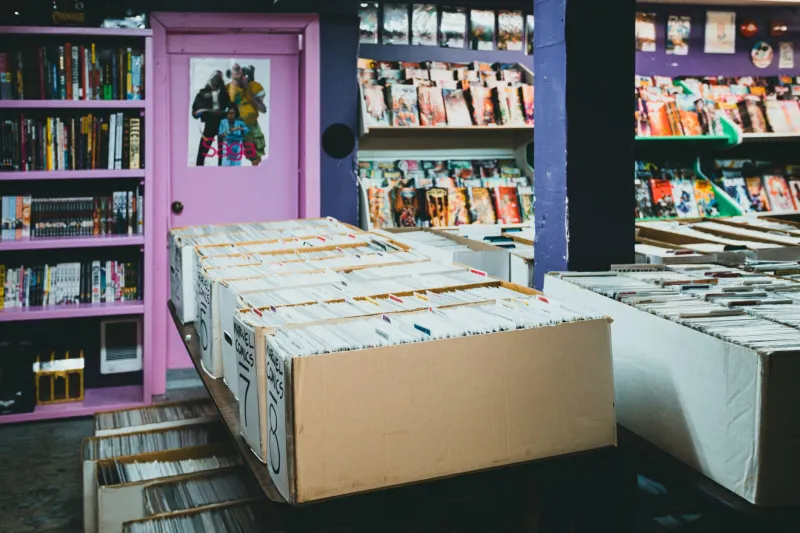
The Accidental Millionaires: What Happened When America's Weirdest Hoarders Refused to Throw Anything Away
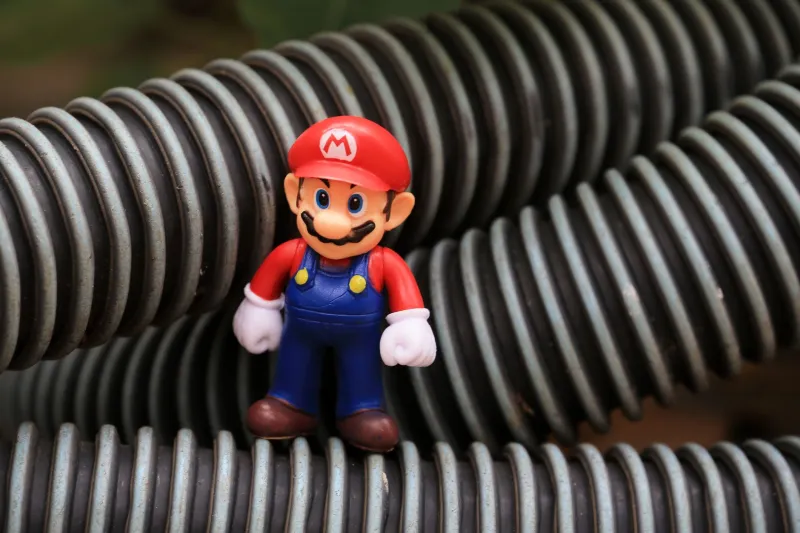
In 2021, a sealed copy of Super Mario Bros. for the Nintendo Entertainment System sold at auction for $2 million. Two million dollars. For a video game cartridge that originally retailed for about $30 in 1985. The person who bought it was not a confused billionaire making a data entry error. They knew exactly what they were doing and they paid full price without apparent hesitation.
Somewhere in America, when that auction result was announced, a certain type of person — the type who never throws anything away, the type whose family has been gently suggesting for decades that they have a problem — sat back in a chair surrounded by carefully organized bins of stuff that everyone else considered trash, and smiled the smile of someone who has been right about something for a very long time.
The Anatomy of an Accidental Fortune
The story of how weird collections become investment portfolios almost never starts with a plan. Nobody in 1987 bought a case of original Star Wars action figures thinking "this is my retirement strategy." They bought them because they loved Star Wars and they wanted the toys. The investment thesis came later — sometimes decades later — when the culture caught up to the obsession.
This is the fundamental pattern: a person loves something enough to accumulate a lot of it. They hold onto it through every reasonable social pressure to let it go — the moves, the marriages, the storage unit bills, the interventions from concerned relatives. They refuse. Time passes. The culture shifts. Supply shrinks because most people did throw their stuff away. Demand spikes because nostalgia is a powerful economic force. The collection is suddenly worth more than a reasonable down payment on a house in a mid-tier American city.
The financial advisors didn't see it coming. The collectors didn't plan it. It happened anyway.
Lunch Boxes: The Asset Class Nobody Taught You About
Consider the vintage metal lunch box market, which is absolutely a real thing that serious people take seriously with serious money. Metal lunch boxes were manufactured prolifically from the 1950s through the 1980s, featuring licensed characters, TV shows, and pop culture images that captured specific cultural moments. They were used, abused, dented, and thrown away by the millions.
The ones that survived in good condition — particularly those still paired with their original thermoses — are now a legitimate collector's market with documented auction records. A rare 1954 Hopalong Cassidy lunch box in excellent condition has sold for thousands of dollars. Specific Superman and Batman boxes from the 1960s command prices that would make a reasonable person do a double take. The collectors who recognized this market early and bought aggressively at flea markets and estate sales in the 1990s, when these things were still cheap, are now sitting on collections worth serious money.
They were the weird ones at the estate sale. They were definitely the weird ones at Thanksgiving when they explained why they needed another shelf for lunch boxes. They were right, and everyone who laughed is still paying a mortgage.
Sneakers, Sealed Games, and the Patience Premium
The sneaker resale market is now so mainstream that it barely qualifies as a niche story anymore — StockX processes millions of transactions, Nike drops cause traffic spikes, and a pair of 1985 Nike Air Jordans in original condition can sell for tens of thousands of dollars at auction. But the early sneakerheads who built those collections weren't thinking about resale value. They were thinking about shoes. The fortune was a side effect of genuine passion.
Sealed video games represent perhaps the most dramatic recent example of accidental investment genius. The key word is sealed — games that were never opened, kept in original shrink wrap, stored properly, and graded by professional authentication services. People who bought games at launch and simply never opened them, then kept them in good condition for thirty-plus years, are now in possession of assets that can be worth anywhere from hundreds to millions of dollars depending on the title, condition, and print run.
The patience premium is real. Every year that passes with a sealed copy of a sought-after game in your closet is a year in which more of the existing copies get opened, damaged, lost, or destroyed. Supply contracts. Your specific, intact copy becomes rarer. The math is brutal in your favor if you can just wait long enough without touching the thing.
The Action Figure Retirement Plan
Vintage action figures occupy a special corner of this universe because the market dynamics are so perfectly cruel. Kenner's original Star Wars action figures from 1977 to 1985 are the gold standard — loose figures in good condition sell for tens to hundreds of dollars each, while carded (still on original packaging) examples can reach thousands per figure for rare variants. A complete, carded collection of vintage Kenner Star Wars figures in excellent condition represents a collection worth more than many Americans have in their 401(k)s.
The people who have these collections are, generally speaking, the people who drove their families absolutely insane for forty years by refusing to let anyone touch the toys. They were protecting the investment, even before they knew it was an investment. They were just people who loved stuff and couldn't bear to see it damaged. The financial outcome was almost incidental.
What the Weird Collectors Know That Nobody Else Does
The through-line in all of these stories is a specific kind of stubbornness that gets labeled as a personality defect until it suddenly looks like genius. The accidental collector-investor understands, on some intuitive level, that cultural love is cyclical — that the things a generation grows up with will eventually become the objects that generation spends adult money trying to reclaim. They understand that scarcity is created by time and attrition, not by limited manufacturing runs alone. And they understand that genuine passion for an object is the best possible motivation for maintaining it carefully over decades.
Your financial advisor cannot replicate this. Algorithms cannot replicate this. The only way to build a collection that pays off is to actually love the stuff enough to keep it, protect it, and refuse every reasonable suggestion that you should let it go.
The ugly truth — and the beautiful truth — is that the best investment portfolios sometimes look exactly like the hoards that concerned relatives have been begging you to clean out for years. Hold the line. Keep the stuff. Let the weird pay off.