Ugly by Accident vs. Ugly on Purpose: Only One of These Is Actually Cool
Somewhere between the third wave of cottagecore and the full commodification of "weird girl" aesthetics on TikTok, something quietly broke. The people who had always genuinely liked ugly things — the lime-green carpet enthusiasts, the devotees of deeply cursed knitwear, the humans who bought a ceramic rooster lamp in 1987 and still think it's beautiful — found themselves surrounded by newcomers. Newcomers with ring lights. Newcomers with affiliate codes.
The ugly aesthetic had been discovered. And as with all discoveries, the discoverers immediately started ruining it.
The Taxonomy of Ugly
First, let's establish our terms, because this conversation gets muddy fast.
Genuine bad taste is when you actually, sincerely, without any awareness of irony, love something that the broader culture has decided is hideous. The woman who has collected decorative plates featuring dogs playing poker since 1994 and considers them fine art. The guy who wears a Hawaiian shirt to every occasion — including funerals — because he simply finds them cheerful. The teenager who loves an extremely uncool band with their whole chest and has no idea that loving that band is uncool.
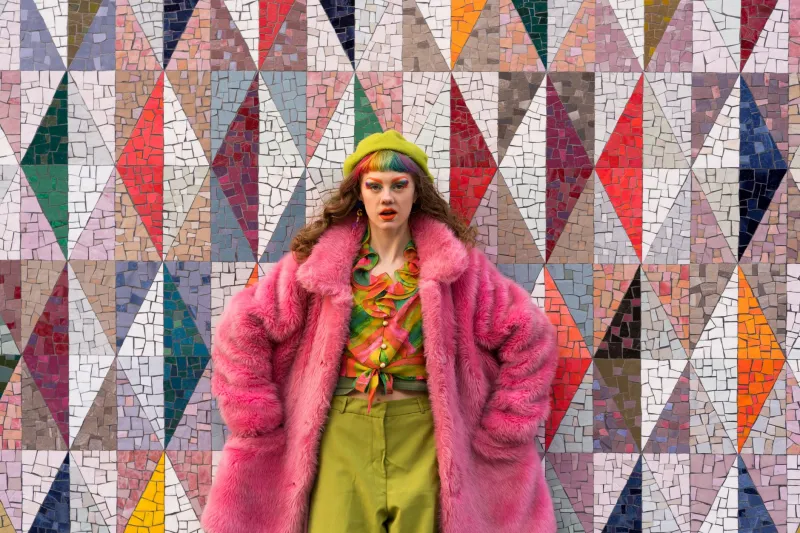
Calculated bad taste is when you buy the ceramic rooster lamp because you know it's ugly, because that ugliness signals something to your audience, because the performance of having bad taste is, paradoxically, a form of cultural sophistication. You know the game. You're playing it. The rooster lamp is a prop.
Both of these things exist. Only one of them is authentic. And increasingly, only one of them is interesting.
The Thrift Store as Battleground
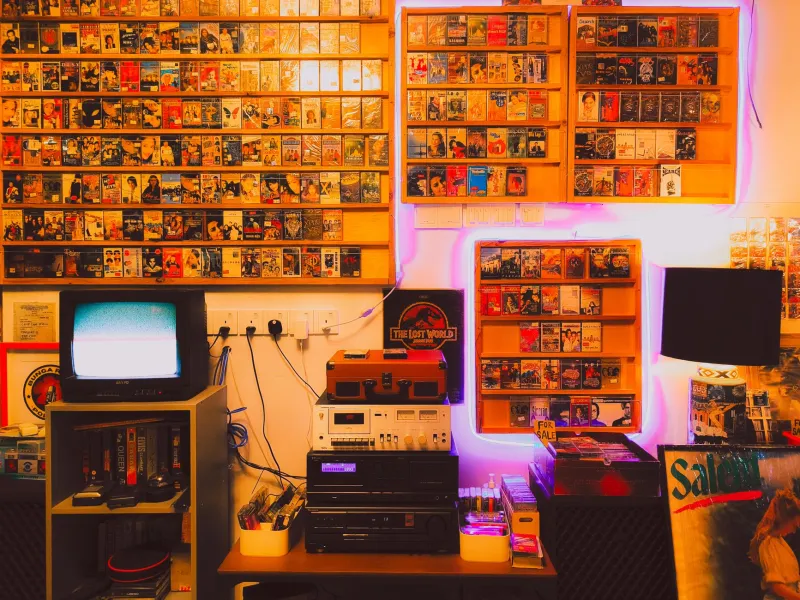
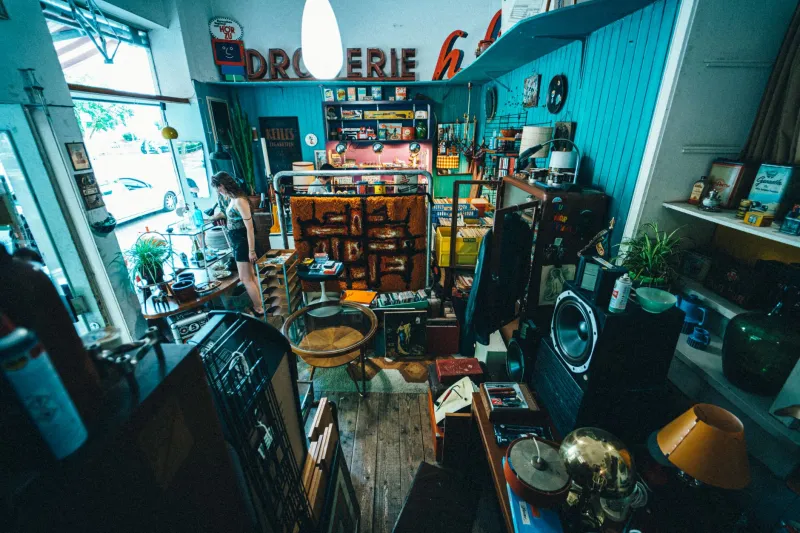
Anyone who has spent serious time in American thrift stores over the last five years has noticed the shift. The Goodwill bins that used to be the exclusive territory of genuinely cash-strapped shoppers and obsessive vintage hunters are now full of people with iPhones filming themselves finding "chaotic" items for content.
Ask a longtime thrift regular about this and you'll get a particular kind of exhausted look. "There's a difference between finding something ugly and loving it," said one Chicago-area thrifter who has been hitting the same rotation of stores since the early 2000s. "And finding something ugly and immediately thinking about how it'll play."
The second person isn't actually engaging with the object. They're engaging with their audience's anticipated reaction to the object. The ugly thing is just a vehicle. Which means they don't actually care about the ugly thing at all, which means — and here's the kicker — they don't actually have bad taste. They have very calculated, very strategic, very normal taste, dressed up in a Halloween costume.
The Commodification Loop
Here's how it always goes. Someone with genuine, unironic taste for something weird exists. Other people discover that the weird thing is interesting. Brands notice. The weird thing gets a product line. The product line gets an influencer campaign. The influencer campaign attracts people who want to seem interesting by association. The original weird thing becomes a signifier rather than a thing. The people who originally loved it either move on or get drowned out.
We've watched this happen to so many aesthetics it's almost boring to list them: normcore, goblincore, dark academia, coastal grandmother, the entire concept of "vintage." Each one started with people who just genuinely liked the thing. Each one ended with a Target collection and a BuzzFeed listicle.
The Ugly Monkey Shop is, if we're being honest with ourselves, adjacent to this ecosystem. We sell weird stuff. Some people buy it because they genuinely love weird stuff. Some people buy it because loving weird stuff is a personality. Both groups are welcome here. But we know the difference, and we think you should too.
In Defense of the Unexamined Aesthetic
The most subversive thing you can do in the current cultural moment might be having genuine, unself-conscious taste — even if that taste is objectively terrible.
The person who has always loved tribal-print cargo shorts and continues to wear them without any awareness that they've cycled through ironic appreciation and back out the other side? That person is more interesting than the influencer who buys tribal-print cargo shorts "as a bit." The bit-person is doing something legible and calculated. The cargo-shorts-lifer is doing something true.
There's a TikTok creator — we won't name her because she doesn't need more followers — who built an entire brand around "ugly" home decor: plastic flowers, wood-paneled walls, carpet samples as art. Very funny. Very intentional. Very much a performance. In her comments, occasionally, you'll find someone who says something like "wait I just have this stuff because I like it, is that okay?" And that person — the one who didn't know they were doing a bit — is the most interesting person in the thread.
Can Authentic Ugliness Survive?
The honest answer is: yes, but only if it stops caring whether it survives.
Authentic bad taste is definitionally unaware of itself. The moment you start protecting it, curating it, worrying about whether it's been co-opted, you've already made it self-conscious. You've already started doing the thing the calculated-ugly people are doing, just with more anxiety.
The truly ugly — the genuinely, magnificently, accidentally weird — can't be performed. It can only be lived. It's the aunt who shows up to Thanksgiving in an outfit that looks like a craft store exploded and she's completely happy about it. It's the guy who decorates his truck with a specific combination of bumper stickers that reveals a personality so specific and un-curated that it's almost avant-garde. It's the frog lamp, bought in 1992 because you thought it was cute, still sitting on your nightstand because you still think it's cute.
You cannot buy your way into that. You cannot TikTok your way into that. You can only be born into it, or stumble into it, or let it find you when you're not looking.
The Verdict
Both kinds of ugly have their place. Calculated weirdness is fun. It's creative. It's often very funny. We support it, we sell products that enable it, and we're not going to pretend otherwise.
But genuine, unexamined, I-just-actually-like-this bad taste? That's the real thing. That's the source material everything else is sampling from. And the most respectful thing you can do for it is leave it alone, let it be what it is, and maybe — if you're very lucky — figure out whether somewhere under all your performed weirdness, you actually, honestly, truly love the frog lamp.
Because if you do? Welcome. You were always one of us.